Day 1
Breakfast:
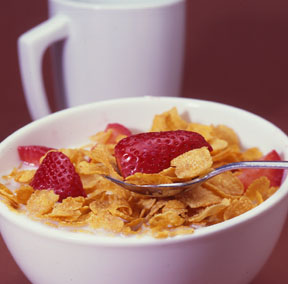
Cereal
Reasoning:
It is best for Diabetics to have a high fiber start to the day. It is suggested that they have at least 5 grams of fiber. So for day one I put cereal because there are many good, high fiber cereals to eat. Some good cereals: Kashi GoLean Crunch has 10 grams of fiber and General mills fiber one which has 14 grams of fiber.
Serving: A average size bowl
Mid Morning Snack:
Yogurt with fruit and whole grain granola
Reasoning:
Diabetics are sometimes lacking things like vitamins and minerals, for example zinc. Yogurt can give diabetics this zinc since it is plentiful with. Another thing that yogurt is plentiful in is Vitamin B2 and protein which is lacking in diabetics. Yogurt has lots of calcium which is necessary for bone growth. Fruit is low in fats and calorie but high in fiber making it a perfect addition to the yogurt. It also has more natural sugars that are easier to digest.
Serving: A Cup
Lunch:
Turkey Breast Sandwich
Reason:
Turkey is a very good food not only for diabetics but for everybody over all. Turkey breast is very lean and contains low amounts of calories. Turkey is also high in protein. Unlike steaks and red meat, Turkey does not increase your LDL (Bad cholesterol).
Serving: 1 or 2 cuts of turkey
Dinner
Chazuke with chicken
Reason:
Chazuke is a Japanese dish, It is a mixture of tea and rice and sometimes a meat of some sort. Tea is a very good source of a antioxidant called, catechins which have been studied for their effectiveness against chronic diseases. I also chose chicken because similar to turkey it is very lean and high in protein and does not contain a lot of calorie. Chicken also like turkey does not raise your LDL.
Serving: Average size bowl
Day 2
Breakfast:
Oatmeal with cinnamon
Reason:
Like I said before Fiber is a very good thing for a diabetic to have, especially in the morning. Oat meal is a great way to get more than 5 grams of protein. Oatmeal slows down digestion so it keep you full for longer. It helps lower cholesterol and improves blood pressure. Cinnamon helps keep the calories down and provide vitamins B,E, magnesium and potassium, which also lowers blood pressure. Cinnamon helps to lower blood sugar and tastes perfect with the oatmeal. It is proven that only ½ a teaspoon is needed to help lower blood sugar.
Serving: A Cup
Mid Morning Snack:
Almonds
Reason:
Because you had a fiber full breakfast you wont be as hungry as you would be. Almonds like other nuts have good fats that help you to fight heart diseases. These fats also have been proven to help to bring down insulin resistance and makes blood sugar easier to control. Nuts are a great source of Vitamin E it protects from nerve and eye damage. If you eat these nuts they have been proven to reduce weight but if you eat it in moderation. Nuts are high in calories. Nuts have a lot of fiber and magnesium, which helps with blood sugar.
Serving Depends on how hungry you are from breakfast
Lunch:

Tofu-Cranberry Salad with a Olive oil dressing
Reason:
Tofu is a soy product. Tofu is very effective in a diet of a diabetic and a non-diabetic. It contains many antioxidants that help with blood sugar and help with reducing insulin resistance. Cranberries contain high amounts of vitamin C which helps the body. They also contain Anthocyanins which protects against other diseases. Olive oil has good fats that cut down the chance of a heart attack. Olive oil has also shown to keep blood sugar steady and cut the resistance of insulin.
Serving: About 3 cups
Dinner:
Ahi/Tuna on bed of fresh spinach
Reason:
Fish is a good source of protein and is better for you then other fatty meats. Fish is also a good source of Omega 3's a good fat that helps to keep the arteries clear. Often people with diabetes have a low level of HDL (Good Cholesterol) and omega 3's can help improve this number. Spinach is a great source for vitamins and minerals like vitamins B2, B6, and mineral folate, copper, magnesium, potassium, zinc, and fiber.
Serving: Large Cut of Ahi with about a cup and a half of spinach.
Day 3:
Breakfast:
Red Grapefruit
Reason:
Red Grapefruit has been proven to be more effective than white grapefruit. Grapefruit is plentiful in Vitamin C. On a 30 day test of 57 people eating grapefruit for breakfast, decreased there LDL by 20 percent and reduce there triglycerides by 17 percent.
Serving: ½ to 1 grapefruit
Mid Morning Snack:
Apple
Reason:
Apples are high in fiber. Fiber can reduce the risk of a cardiovascular disease, which is a leading cause of diabetes. A medium sized apple contains around 3 grams of fiber which will fill you up fast.
Serving: 1 apple
Lunch:
Salmon cooked with a mix of broccoli and carrots
Reason:
Salmon just like ahi is a good source of protein and is better for you then other fatty meats. Improve this number. Salmon just like tuna is one of the most Omega 3 full fishes. Carrots have beta-carotene, which can help prevent cancer and heart disease. Carrots are also a good source of fiber. Broccoli has more vitamin c per 100 grams than an orange. Broccoli also has fiber and beta-carotene
Serving: Half of a Salmon and 2 cups of broccoli and carrots
Dinner:
Skinless Chicken breast with asparagus
Reason:
I chose Chicken again because it is a very lean meat. Chicken is high in protein and lowers your LDL. Chicken also contains low amounts of calories. Asparagus has 5 grams of carbs per serving and 2 grams of fiber. Asparagus is a good source for vitamin B and C
Serving: 1 chicken breast and a serving of aspargus
 Type 2 diabetes, the most common type of diabetes, is a disease that affects how the body uses glucose, the main type of sugar in your blood. It is becoming increasingly common in the U.S., especially among overweight people. Diabetes 2 is a chronic disease, which means that it needs constant, close monitor. People with diabetes either produce insufficient amount of insulin or the cells cannot register the insulin, and as a result, ignores it. Insulin is critical to for the body to be able to use glucose, which is the basic fuel for the body. Millions of Americans are diagnosed with it, and there are thousands more who are not aware of their diabetic condition.
  Inactivity - The less active you are, the more likely you are to get type 2 diabetes because being overweight increases your chance of getting diabetes. Active physical activities keeps your weight in check, and as a consequence, decreases your chance of getting diabetes.
  • Getting tired easily (during active activities)
 Inactivity - The less active you are, the more likely you are to get type 2 diabetes because being overweight increases your chance of getting diabetes. Active physical activities keeps your weight in check, and as a consequence, decreases your chance of getting diabetes.